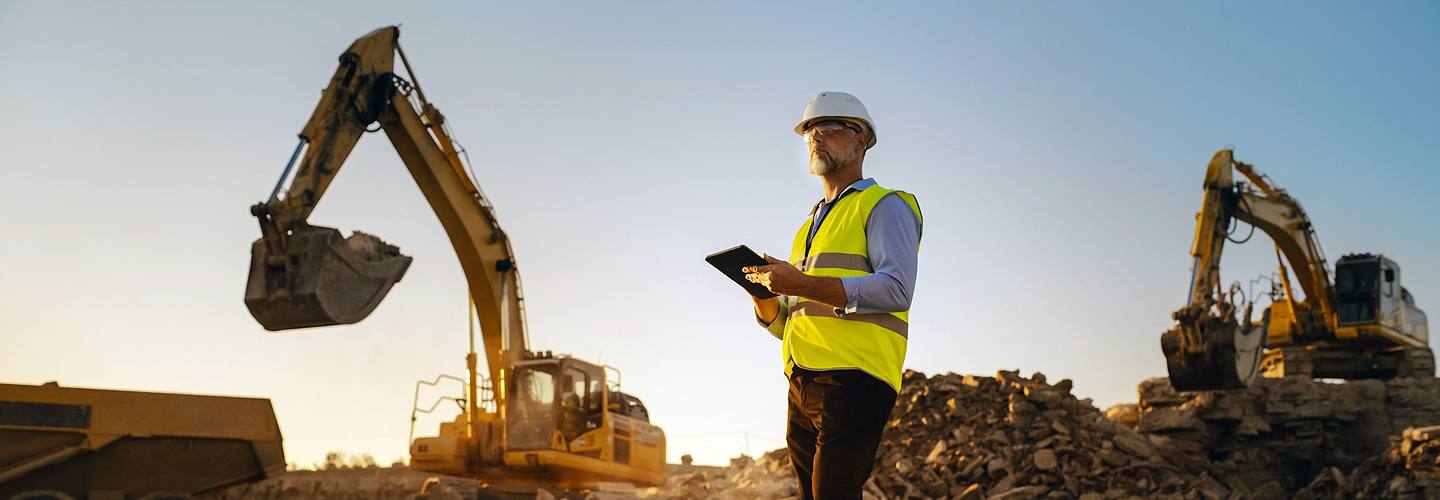
Explore the benefits of having mineral rights management
Unlocking potential wealth under the surface with Regions Natural Resources and Real Estate.
Beneath the surface of the land there is a potential world of untapped treasures in the form of minerals. Certain minerals have the potential to fuel economies, power industries and quite possibly shape the future.
What is the key to unlocking these subterranean riches? Mineral rights.
What are mineral rights?
Whether it’s oil and gas or other hard minerals such as metallic ores, granite, or graphite, tapping into these potential assets can prove quite lucrative for property owners. Often mineral rights are distinct from ownership of the surface rights. Mineral rights can often be leased, turning these rights into a potential source of revenue. Development and leasing these resources can be complex and is best navigated with the help of legal, financial and environmental professionals.
That is where Regions’ Natural Resources and Real Estate team of professionals enters the picture.
“Oftentimes, lands with mineral rights are owned by absentee landowners including institutions such as colleges and foundations, individuals, and companies that may not have experience in managing mineral assets,” says Tony Edwards, geologist with the Regions Natural Resources and Real Estate team. “In many cases, family land is inherited, and a mining or gas company has approached the owners for access to the materials below ground. The inheriting individuals may lack the expertise but may want to learn and ultimately manage the land themselves but may need guidance in managing the associated mineral rights resource.”
Mineral rights management: A unique practice in banking
Regions has represented property owners in the leasing and management of mineral rights for more than 70 years – and Edwards has been part of this team for 35 of those. A unique practice in the banking industry, mineral management is designed to help property owners recognize the potential mineral deposits that may exist on their land. Licensed geologists like Edwards and certified petroleum landmen at Regions work with a trusted network of professionals to provide the guidance and advice needed to potentially maximize the value of what lies beneath that surface land.
Similar to the Natural Resources and Real Estate teams in timberland, forestry and farmland, the mineral rights team at Regions looks less like Wall Street bankers and more like the individuals they serve. And they spend more time working outside the office than in it.
Edwards and his team members work with individuals and institutions managing land spanning from the South to the Midwest and stretching up into the Dakotas.
“We work with everything from gold mines and coal mines to granite, limestone and graphite,” said Edwards who is based in Birmingham, Alabama.
Black gold
Southwest of Edwards’ home base, Matt McWilliams, in Tyler, Texas has experience with a different scope of underground wealth that the Clampetts called black gold. (If you were born after the youngest Gen Xers, you may not be that familiar with the Beverly Hillbillies). The quintessential TV mineral rights family struck oil in the 1960s and moved the family from hills of Missouri to the fancier hills of Beverly.
Down-to-earth McWilliams, a petroleum landman by trade, shares the ins and outs of managing oil and gas contracts for landowners following in the Clampetts’ proverbial though fictional footsteps.
“Exploration is where it begins,” shares McWilliams. “When an oil company or operator wants to explore an area based on seismic data, geologic structure and potential for oil or gas, they’ll begin by acquiring leases within a prospect area and drill an initial well to test a targeted reservoir or formation.”
There is a lot of research that goes into this exploration, including title work around land ownership, and surface and mineral rights. There are contract negotiations and attorneys involved with opining on the specific ownership details and subsequent royalties involved.
In his current role with Regions Natural Resources and Real Estate, McWilliams represents the owners of the land where oil and gas may be flowing beneath the surface.
“I represent the owners – typically individuals and their families, often multigenerational or nonprofit organizations such as foundations, churches, and colleges or universities,” says McWilliams. “It is my job to help them maximize their revenue from the mineral properties, whether through lease bonuses or royalties due once production is established.”
More accounting than banking, McWilliams works with certified public accountants, attorneys and other professional to ensure that his landowner clients are paid correctly and that their taxes are paid.
Maximizing revenue with mineral rights management
With oil and gas properties, many of the individuals that McWilliams and his peers work with grew up in the industry and are part of multigenerational families who have long histories working with and managing oil and gas products. As can happen in family-owned businesses, there are instances where the youngest generations, typically grandkids or beyond, may have other career aspirations and while they want to maintain the property, they don’t necessarily want to manage the day-to-day involved with the property and/or business.
“When the current generation isn’t involved, ongoing management is needed – and the underground assets may be a significant part of the family’s wealth,” notes McWilliams. “We are appointed as agents or trustees, and our job is to preserve these legacy assets that were invested in generations ago and maximizing revenue for the family/client.”
In the world of mineral rights, the ground beneath our feet holds more than just soil and the natural world. It has the potential to be a great source of wealth. It is important to have the right resources and professionals involved in maximizing that potential.
Related Insights
-
 Article
14 min read
Article
14 min read

-
Article
11 min read

-
Article
9 min read

-
Article
15 min read