The outdoor effect: How nature boosts well-being
Key takeaways
- Green spaces and blue spaces are more than natural amenities. Increasing research suggests they may contribute to improved physical health, lower stress levels, enhanced well-being, and greater overall quality of life.
- As wealth grows, many individuals begin prioritizing experiences, wellness, and lifestyle design alongside traditional financial goals. Access to nature can be an important component of that equation.
- Whether through travel, a primary residence, a vacation home, or retirement planning, financial resources can create greater opportunities to spend time in restorative natural environments.
- Thoughtful investments in outdoor living spaces, gardens, water features, and nature-focused communities may enhance everyday enjoyment and support long-term well-being.
- Time in nature can also become part of a family’s legacy, providing opportunities for shared experiences, multigenerational traditions, and values-based conversations around stewardship and conservation.
- A comprehensive wealth plan should help support not only financial success, but also the lifestyle, experiences, and sense of purpose you want to enjoy throughout your lifetime.
“Adopt the pace of nature. Her secret is patience.” — Ralph Waldo Emerson
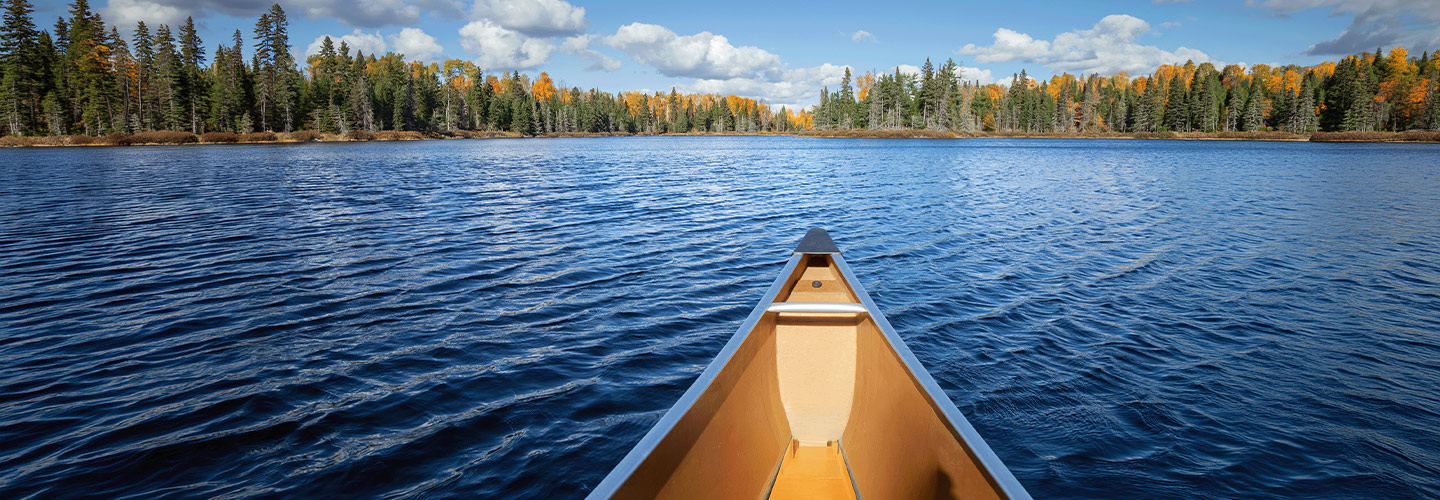
If you have ever taken a mountain hike, enjoyed a breezy walk on the beach, or relaxed lakeside taking in the views, you have likely experienced the calming effects of nature, and more specifically of green spaces and blue spaces.
Defining green space and blue space
Green space refers to land areas covered in grass, trees, bushes, and other vegetation. Common green spaces include parks, community gardens, and forests. Blue space refers to visible, accessible bodies of water, including lakes, rivers, ponds, coastlines, and even bubbling fountains. You don’t necessarily need to go far to find and feel the benefits of green and blue space exposure.
The health benefits of nature
Nature has long been appreciated for its therapeutic value. Some ancient civilizations created elaborate gardens to provide their communities with relaxing, meditative spaces. Eastern countries including India and China have practices like Ayurveda and Traditional Chinese Medicine that prescribe time in nature with a focus on fresh air, movement and meditation in natural settings.
Modern medicine embraces the healing value of time spent in nature, as noted in several recent studies. A Utah State University article explores the health benefits of time spent in nature. Additionally, Northwestern University Feinberg School of Medicine touts the heart health benefits of elements in nature, citing a study on the protective effect of having access to urban blue and green spaces on coronary artery calcification.
The National Institutes of Health has conducted research on the impact of green and blue spaces on overall health and mortality. The resulting data was promising. “We find that green space exposure is associated with reduced all-cause mortality, mortality from cardiovascular diseases, incidence of diabetes and metabolic syndrome, low birth weight, and mental health improvements. Blue spaces also show positive associations with beneficial health outcomes, including reduced obesity rates and improved psychological well-being.”
More on well-being and mental health
The World Wildlife Fund explored the mental health benefits of time in nature. Dr. Stacey Beller Stryer, noted that time around nature decreases symptoms of anxiety and depression, strengthens well-being, and lowers stress, sharing that time in nature significantly decreases cortisol levels.
Stryer also shared that in terms of physical health, some studies have associated time spent in nature with improvements in blood pressure and other health indicators. “For example, there have been studies of forest bathing, a mindfulness practice focused on engaging one’s senses in a natural setting, that have taken blood samples from participants before and after.”
The relatively new concept of forest therapy is rooted in the Japanese practice of shinrin-yuku, first defined in 1982. The Cleveland Clinic noted that early research on the practice of forest bathing has been positive, with studies suggesting associations with lower cortisol levels and a positive impact on oxygen levels in the brain.
The mental health and well-being benefits of green and blue space have also been highlighted by the American Psychological Association (APA). The key findings include cognitive benefits and improvements in mood, mental health, and well-being associates with time spent in nature highlighting that similar benefits result from feeling connected to nature.
“Both green spaces and blue spaces (aquatic environments) produce well-being benefits. More remote and biodiverse spaces may be particularly helpful, though even urban parks and trees can lead to positive outcomes.”
Bringing green space and blue space home
Whether you live in an urban city setting, sprawling suburban neighborhood, or rural retreat, there are ways to bring green space and blue space into your environment. To create green spaces, consider incorporating native plants, garden beds, or vertical planters into your yard or on balconies. For calming blue spaces, integrating water features like fountains, small container ponds, or birdbaths can bring the restorative properties of water to your home. Incorporating more green and blue elements into your environment may also invite more of Mother Nature’s creatures into your space. And this may have an additive effect on your well-being.
The APA noted that even the sounds of nature can be recuperative. More elemental green and blue space may increase the sounds of nature just outside your door. The U.S. Fish and Wildlife Service noted a recent rise of birdwatching in America. Apps like Merlin Bird ID from Cornell University make it even easier to get outside and enjoy nature by providing real-time identification through sound. Whether you want to incorporate more green and blue spaces into your environment or venture out to spend more time outside, a greater connection to nature can offer meaningful benefits for both well-being and quality of life.
Talk with your wealth advisor about:
- How vacation planning may fit into your wealth plan.
- Would buying a second home with more green space or waterfront access be financially feasible without affecting our long-term goals?
Want to get started with wealth planning?
Our wealth management guide can help on your journey to generational wealth.
Interested in talking with an advisor but don’t have one?
Find a Wealth Advisor in your area.
Frequently asked questions
A wealth advisor can help evaluate financial strategies related to nature-focused travel, second-home ownership, retirement destinations, and lifestyle spending while helping ensure those goals remain aligned with your broader financial priorities.
For many retirees, lifestyle considerations become just as important as financial ones. Proximity to parks, waterfronts, walking trails, golf communities, and outdoor recreation opportunities may enhance quality of life and can be factored into retirement planning discussions.
The answer depends on your overall financial picture, tax considerations, lifestyle goals, and long-term plans. A wealth advisor can help assess affordability, ongoing costs, liquidity considerations, estate planning implications, and how a second property fits within your broader wealth strategy.
Yes. Many families create lasting traditions around outdoor experiences, family retreats, conservation efforts, and shared recreational activities. These experiences can strengthen connections across generations while reinforcing family values and priorities.
Individuals who are passionate about nature may choose to support conservation organizations, local parks, public gardens, land preservation efforts, or community greenways. Strategic philanthropic planning may help maximize both charitable impact and tax efficiency.
Consider asking:
- How can our financial plan create opportunities to enjoy the natural surroundings that enrich our lives?
- Would relocating to an area with greater access to green or blue spaces be financially realistic?
- Does purchasing a vacation property fit within our long-term goals?
- How can retirement planning support our lifestyle, experiences, and natural surroundings we value most?
- What charitable giving opportunities align with our interest in conservation and environmental stewardship?
- How can our wealth help create meaningful outdoor experiences for future generations?
Financial success is often measured by more than portfolio performance. For many individuals and families, true wealth includes the freedom to spend time where they engaged and connected to the people and places they value most.
Related Insights
-
 Article
8 min read
Article
8 min read

-
Article